



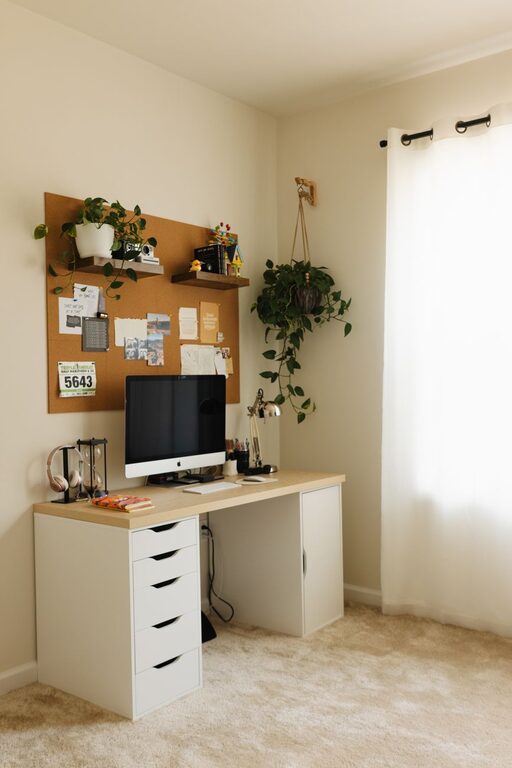
Creating a home office that is both cozy and productive can make a significant difference in how you feel and perform throughout the workday. Whether you’re working remotely full-time or just need a dedicated spot for occasional projects, your workspace should inspire focus without sacrificing comfort. This post offers practical tips to help you design a home office that strikes the perfect balance between warmth and efficiency.
Choose the Right Location
Selecting the right spot for your home office is the first step toward boosting productivity and comfort.
– Natural Light: Place your desk near a window if possible. Natural light can help reduce eye strain and improve mood.
– Privacy: Choose a quiet area free from distractions, especially if you share your home with others.
– Space: Make sure there’s enough room for your necessities, including your desk, chair, computer, and storage.
If space is limited, consider creative solutions like using a corner, a nook, or even a converted closet.
Invest in Comfortable and Supportive Furniture
Comfort is key when you spend many hours at a desk.
– Ergonomic Chair: A good chair supports your back and promotes good posture, which can prevent fatigue and discomfort.
– Desk Height: Your desk should match your height to avoid straining your wrists and shoulders. Adjustable desks are great for flexibility.
– Additional Seating: If you have space, add a small lounge chair or cushion for breaks and reading.
Remember, investing in quality furniture is an investment in your health and productivity.
Organize with Purpose
A tidy workspace helps clear your mind and keeps distractions at bay.
– Storage Solutions: Use shelves, drawers, and organizers to keep supplies and documents neatly stored.
– Minimalism: Keep only the essentials on your desk to maximize your work area.
– Cable Management: Use clips or tubes to keep cords organized and out of sight.
Make weekly tidying a habit to maintain an organized environment continually.
Add Personal and Cozy Touches
Your workspace should feel welcoming to encourage you to spend time there.
– Decor: Add artwork, plants, or photos that make you happy but don’t overwhelm the space.
– Textiles: Soft rugs, cushions, or curtains can warm up the room and reduce noise.
– Lighting: Besides natural light, include task lighting like a desk lamp and ambient lighting to create a pleasant atmosphere.
Personal touches can increase your connection to your workspace and boost motivation.
Optimize Lighting for Comfort and Focus
Proper lighting reduces eye strain and helps maintain energy levels.
– Layered Lighting: Combine ambient, task, and accent lighting to cover all your needs.
– Adjustable Lamps: Use lamps with adjustable brightness and color temperature to suit different times of day.
– Screen Position: Place your computer screen to avoid glare from windows or lights.
Good lighting supports sustained focus and reduces headaches and tired eyes.
Create a Routine and Boundaries
A well-designed office can only do so much; habits play a big role in productivity.
– Set Work Hours: Keep consistent start and end times to separate work from home life.
– Take Breaks: Use your space for relaxation during breaks—like a cozy chair or a spot by the window.
– Limit Distractions: Inform household members of your schedule and use headphones or white-noise machines if needed.
Your environment and habits together create a foundation for success.
Include Technology That Supports Your Work
Make sure your tools enhance productivity and don’t cause frustration.
– Reliable Internet: A strong connection is essential for communication and cloud-based work.
– Efficient Equipment: Use keyboards, mice, monitors, and software that suit your work style.
– Backup Power: Consider a surge protector or an uninterruptible power supply (UPS) to avoid data loss.
Regularly update and maintain your technology to keep things running smoothly.
Promote Good Air Quality and Temperature
Physical comfort includes the air you breathe and the temperature around you.
– Ventilation: Open windows when possible or use an air purifier to keep air fresh.
– Temperature Control: Use fans, heaters, or air conditioners to maintain a comfortable temperature.
– Plants: Indoor plants can improve air quality and add a natural element to your office.
A comfortable atmosphere helps you stay alert and focused.
—
By thoughtfully combining comfort, organization, and functionality, you can create a home office space where productivity thrives and stress melts away. Tailor these tips to your personal preferences and work habits to design a workspace that truly works for you.